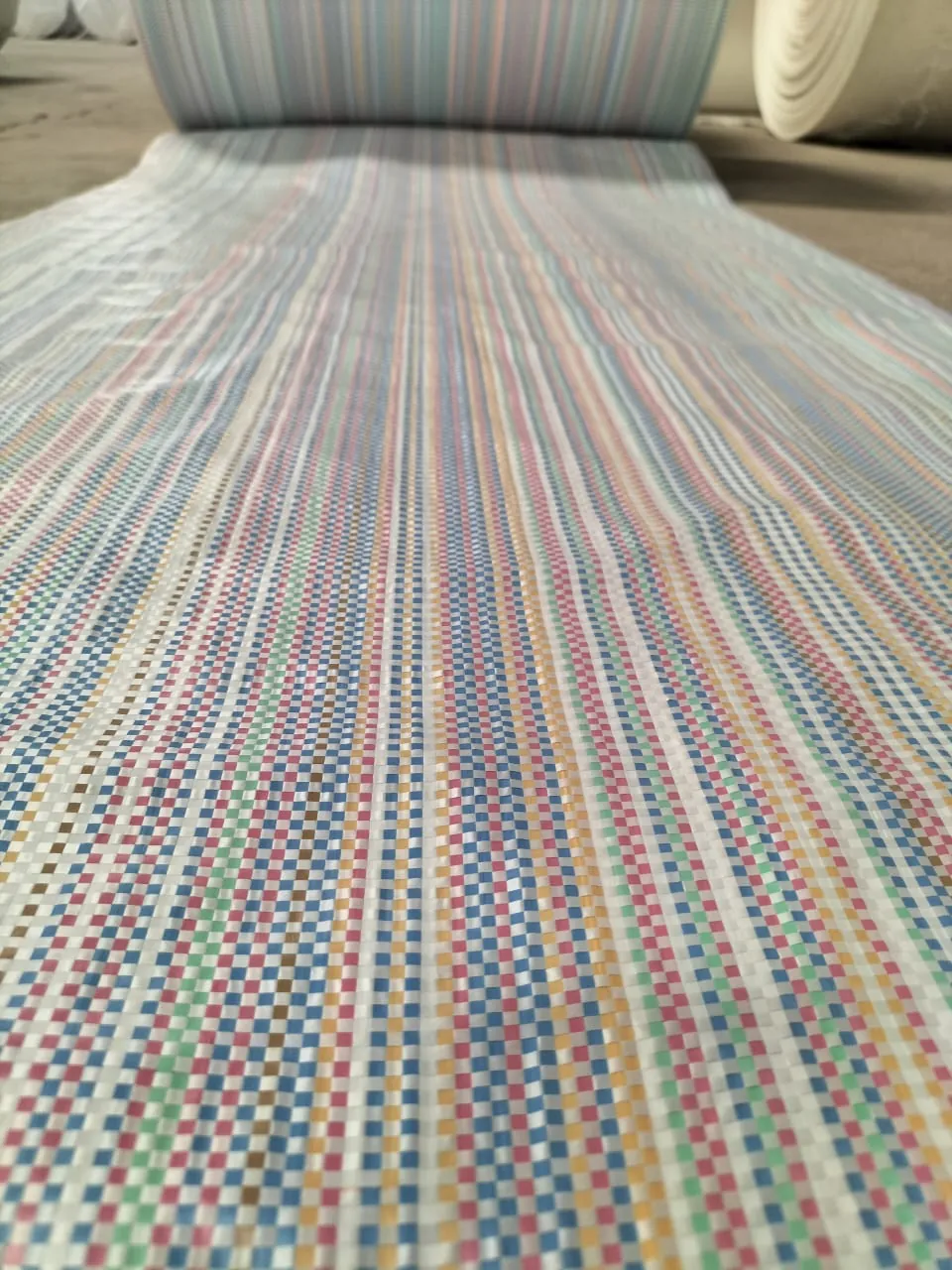
In the world of industrial packaging and construction, selecting the right raw material is critical. Whether you are manufacturing FIBC jumbo bags, wrapping heavy timber, or producing cement sacks, the foundation of your product is the fabric. The two most dominant materials in this space are PP (Polypropylene) and HDPE (High-Density Polyethylene) woven fabrics.
But which one is right for your specific global operation? Let’s break down the differences and explore the international demand.
PP vs HDPE Woven Fabric: What’s the Difference?
While both are thermoplastic polymers used to create high-strength woven rolls, they behave differently under stress and temperature:
Polypropylene (PP) Woven Fabric
Lower Density: PP is lighter than HDPE, making it more cost-effective for large-volume packaging.
Higher Melting Point: PP can withstand higher temperatures, making it ideal for hot-fill packaging and cement bag manufacturing.
Moisture Resistance: When laminated, PP woven fabric creates an absolute barrier against water—perfect for hygroscopic goods like fertilizers and sugar.
High-Density Polyethylene (HDPE) Woven Fabric
Higher Tensile Strength: HDPE is denser and stronger, making it resistant to cuts and tears. It is the preferred choice for heavy-duty tarpaulins and construction covers.
Lower Temperature Resistance: HDPE performs better in freezing temperatures compared to PP, making it popular in cold-climate countries like Canada and Russia.
UV Stabilization: HDPE readily accepts UV stabilizers, extending the life of outdoor products like agricultural covers.
Global Terminology: What Do International Buyers Call It?
When sourcing packaging materials globally, language matters. Here is how buyers search for woven fabrics across different continents:
In Spain and Latin America: Buyers look for "Tela tejida de PP" (PP woven fabric) or "Tela de polietileno de alta densidad" (HDPE fabric). It is heavily used in "Tela tejida para embalaje" (packaging fabric) for coffee and grain exports.
In Germany and Austria: Industrial buyers search for "Gewebte PP Folie" (Woven PP film) or "Verpackungsgewebe" (Packaging fabric) for automotive parts and timber wrapping.
In France: The standard search term is "Tissu tissé en polypropylène" for agricultural and chemical sacks.
In Italy: Ceramic and tile manufacturers demand "Tessuto tessuto in polipropilene" to protect their high-value exports.
In the Middle East (UAE/Saudi): Buyers often search in Arabic for "قماش منسوج من البولي بروبيلين" (PP woven fabric) for the booming construction and cement industries.
In Brazil: Agricultural exporters look for "Tecido tecido PP" and "Lona tecida HDPE" for bulk sugar and coffee packaging.
Key Industrial Applications
FIBC Jumbo Bags: Laminated and unlaminated PP fabric is the core material for 1000kg-2000kg bulk bags.
Tarpaulins & Covers: HDPE woven fabric is the gold standard for heavy-duty truck covers, camping tents, and construction site covers.
Carpet & Rug Backing: PP woven fabric acts as the durable base for carpets, especially in massive manufacturing hubs like Turkey.
Agricultural Sacks: From rice in Indonesia to potatoes in Kenya, woven fabric protects agricultural yields globally.
Why Source from Siddhii Global?
As a leading manufacturer based in Kalol, Gujarat, Siddhii Global produces high-tensile, customizable PP and HDPE woven fabric rolls for export. We offer:
Laminated & Unlaminated Options: Customized to your moisture barrier requirements.
UV Stabilization: Engineered for extreme weather conditions in the Middle East and Africa.
Custom Width & Density: Tailored rolls to fit your specific bag-making or wrapping machinery.
Consistent Quality: ISO-certified manufacturing ensuring zero-defect global shipments.
Whether you call it Tela tejida, Gewebte PP Folie, or simply Woven Fabric, your business deserves the strongest foundation.
Looking for bulk woven fabric rolls?
Explore our Woven Fabric (PP/HDPE) Range or contact us for a custom export quote!