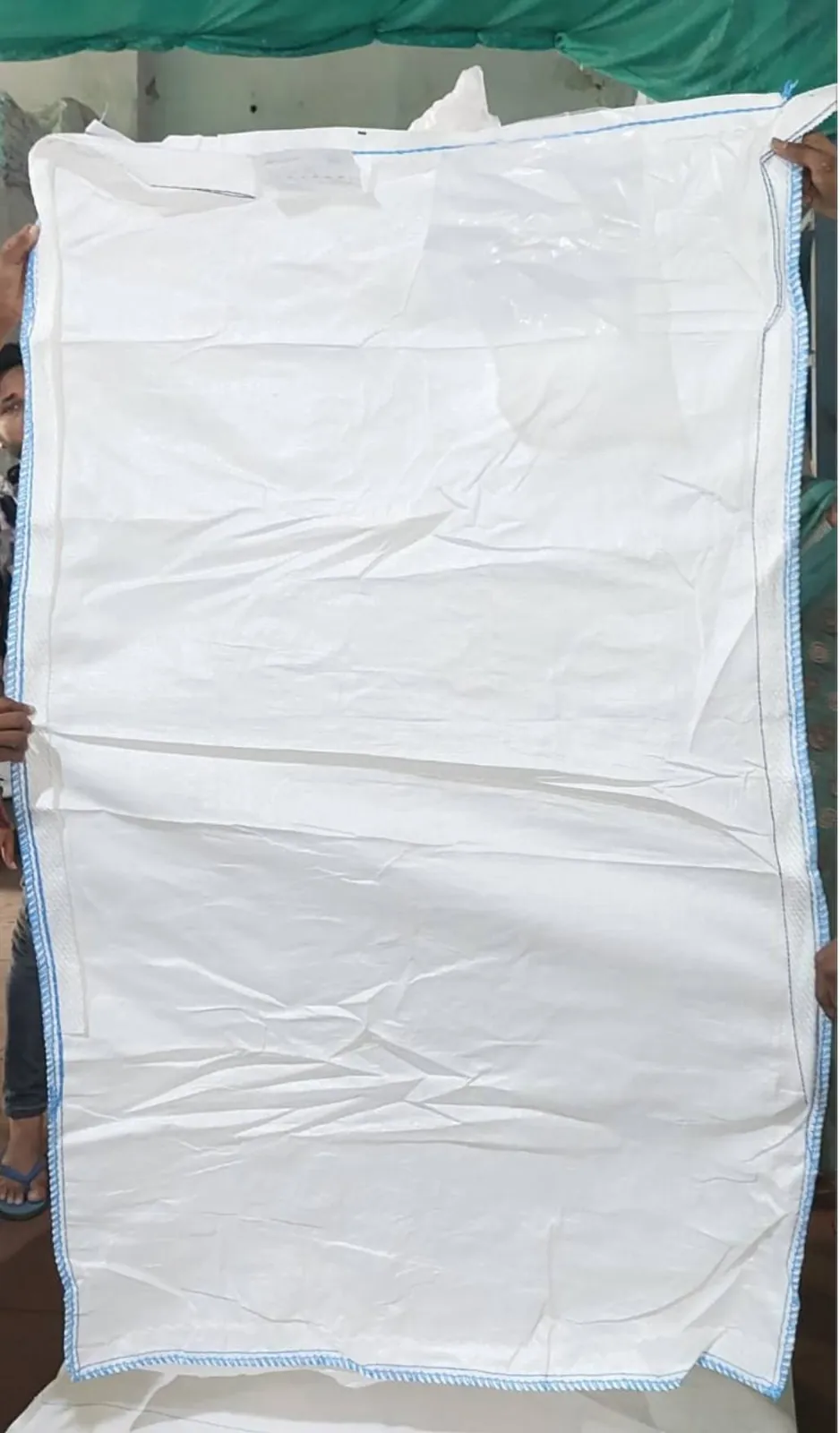
India is the world’s largest manufacturer of FIBC (Jumbo) Bags, supplying over 60% of the global demand. Sourcing from India offers massive cost advantages, but it’s not without risks. Every year, global importers lose thousands of dollars to burst bags, delayed shipments, and customs fines because they chose the wrong supplier or specifications.
If you are importing FIBC bags for chemicals, food, or mining, avoiding these 5 critical mistakes can save your business from disastrous supply chain failures.
Mistake 1: Ignoring the Safety Factor (5:1 vs 6:1)
This is the most dangerous error. FIBC bags are rated by their Safety Factor (SF):
SF 5:1: Designed for a single trip. It can hold 5 times its Safe Working Load (SWL). If you reuse an SF 5:1 bag, it will fail, causing massive spills.
SF 6:1: Designed for multiple trips. It can hold 6 times its SWL, providing an extra layer of safety for heavy or reusable logistics.
The Fix: Always specify your required Safety Factor in the PO. For heavy or return-trip logistics, never accept anything less than SF 6:1.
Mistake 2: Choosing the Wrong FIBC Type for Flammable Products
Static electricity is a silent killer in bulk packaging. When fine powders (like flour, sugar, or chemical resins) rub against the fabric during filling or emptying, they generate static sparks.
The Risk: Using a standard Type A bag for flammable products can cause a catastrophic factory explosion.
The Fix: If you are handling flammable solvents or combustible dust, you must mandate Type C (Conductive) FIBC Bags. These have interwoven conductive threads that must be grounded to safely dissipate static electricity.
Mistake 3: Skipping the PE Liner for Sea Freight
Sea freight exposes cargo to extreme humidity and temperature changes inside the container ("container rain").
The Risk: Importing hygroscopic materials (fertilizers, coffee, chemical powders) without an inner PE liner will result in clumped, moisture-damaged, and unsellable goods.
The Fix: Always order FIBC bags with custom-fitted Inner PE Liners (inserted or glued) to create a 100% moisture-proof barrier.
Mistake 4: Not Demanding UN Certification for Hazardous Chemicals
Shipping dangerous goods (UN Hazard Class) requires strict compliance with international laws.
The Risk: If your chemical bags are stopped at customs in the USA or Europe without a valid UN certification mark printed on the bag, the entire shipment will be rejected, and you will face heavy OSHA/EPA fines.
The Fix: Only source from manufacturers who provide UN Certified FIBC Bags with valid test certificates.
Mistake 5: Prioritizing Low Price Over Fabric Consistency
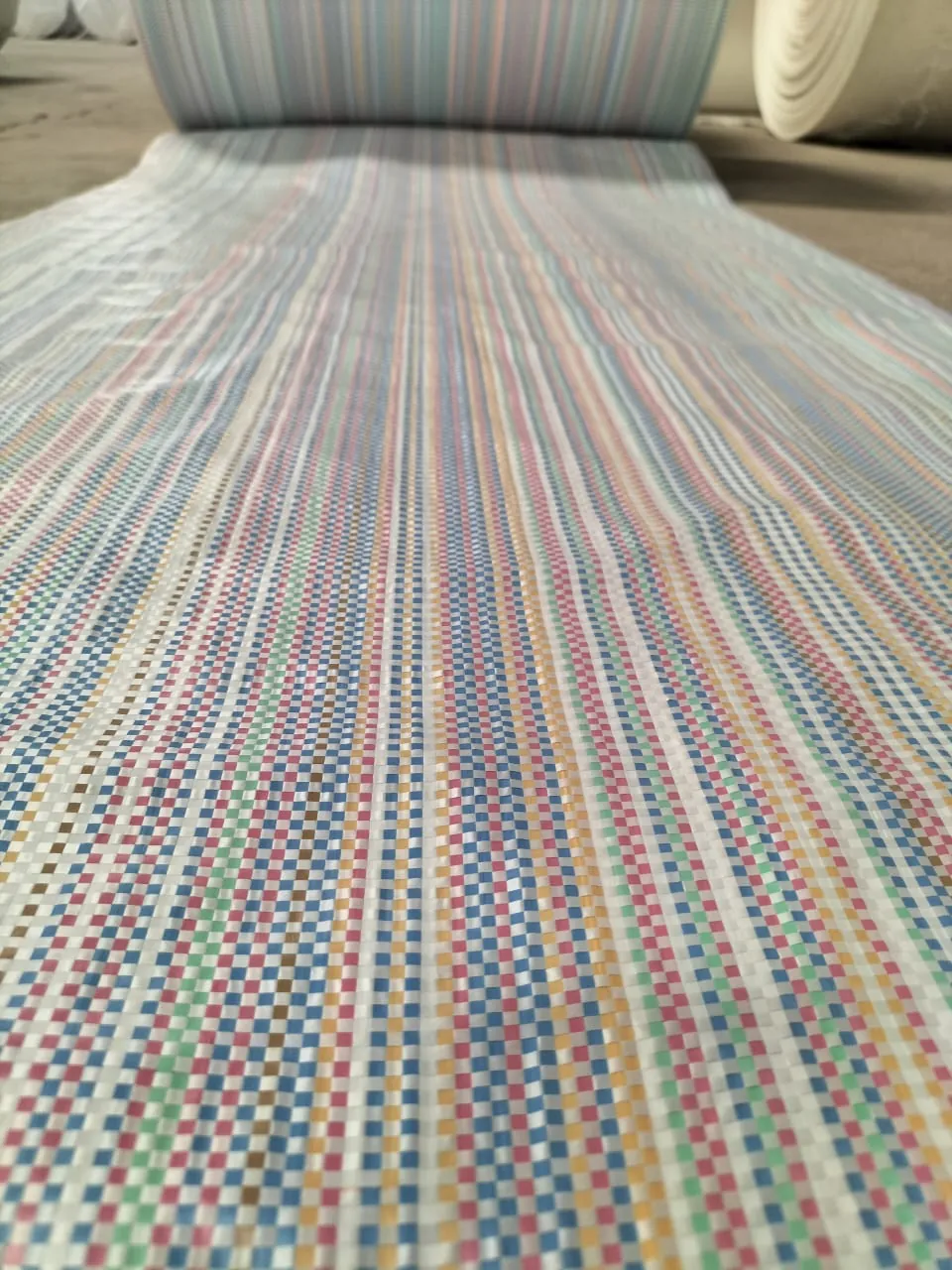
Many importers fall into the trap of the cheapest quote. Unreliable manufacturers reduce costs by using recycled or uneven PP tapes, resulting in bags with weak spots that burst under heavy weight.
The Risk: Inconsistent fabric weight leads to pallet collapse during transit, destroying the cargo and endangering warehouse workers.
The Fix: Partner with ISO-certified manufacturers like Siddhii Global who guarantee 100% virgin polypropylene and strict weight tolerance checks.
Siddhii Global: Zero-Risk FIBC Manufacturing
As an ISO-certified manufacturer based in Kalol, Gujarat, Siddhii Global eliminates these risks. We provide:
Guaranteed SF 5:1 & 6:1 Options: Clear, tested load ratings.
Type C Conductive Bags: Safe solutions for flammable environments.
UN Certified Bags: Full compliance documentation for global customs clearance.
Internal Linking Opportunities:
Understand the structure of safe bags: Read Why U Panel FIBC Bags Are the Global Standard for Bulk Shipping & Storage
Handling dangerous chemicals? Read Safe Transport of Dangerous Chemicals: Why UN Certified FIBC Bags Are Mandatory
Don't let a cheap bag destroy your expensive cargo.
Need reliable, certified FIBC bags?
Explore our FIBC Bag Range or contact us for a risk-free quote!