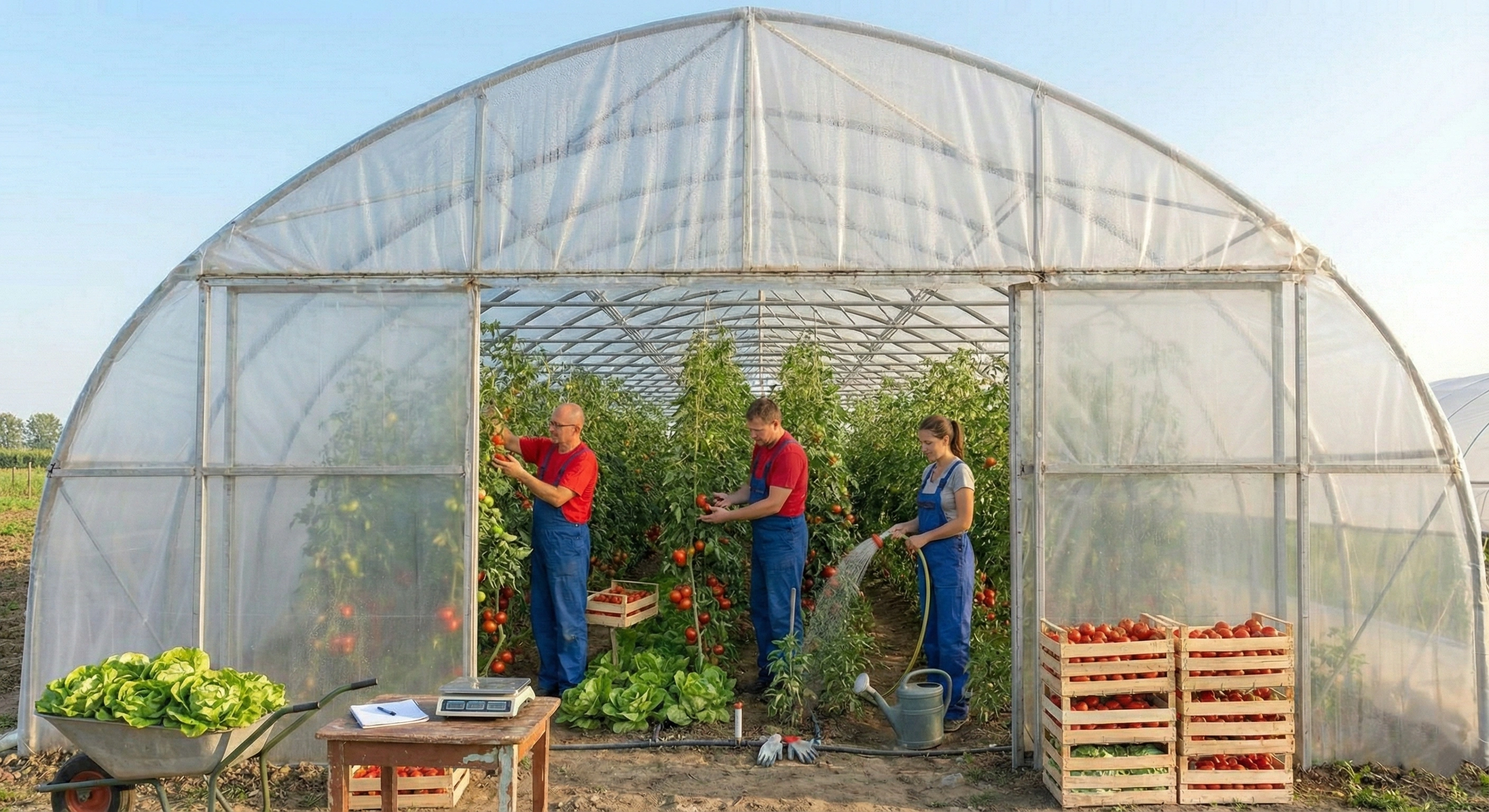
Climate change and extreme weather events are making traditional open-field farming increasingly risky. Heavy rains, unexpected frosts, and scorching heatwaves can destroy a season's hard work in hours. This is why global agriculture is rapidly shifting toward protected cultivation using Greenhouse Films (also known as Polyhouse Films).
But not all agricultural plastics are built for the rigors of a modern greenhouse. High-tech multi-layer films are engineered to do much more than just cover a structure—they actively create the perfect microclimate for plants.
The Science Behind Multi-Layer Greenhouse Films
Advanced greenhouse films are co-extruded with multiple layers (usually 3 or 5 layers), where each layer serves a specific function:
UV Stabilization: The outer layer blocks harmful ultraviolet rays, preventing the film from degrading and becoming brittle under the sun, extending its life to 3-5 seasons.
Anti-Drip (Anti-Fog) Treatment: Without this, condensation forms on the plastic, dropping water onto the plants and causing diseases. Anti-drip films ensure water runs down the sides, keeping leaves dry.
Light Diffusion: Instead of casting harsh, direct sunlight that can burn leaves, diffused films scatter the light evenly, reaching the lower canopy and accelerating photosynthesis.
Thermicity (Infra-Red Block): The inner layers trap Infra-Red radiation, keeping the greenhouse significantly warmer at night and reducing heating costs.
Global Terminology: How International Growers Source Polyhouse Covers
When importing greenhouse plastics, using exact regional terminology ensures you connect with certified manufacturers:In Spain & Mexico: The massive greenhouse hubs search for "Película para invernadero", "Plástico para invernadero", or "Film para invernaderos" for vegetable and berry production.
In the Netherlands: The world's most advanced greenhouse sector demands "Kasfolie", "Kasplastic", or "Tuinbouwfolie" for floriculture and tomato cultivation.
In France: Growers source "Film de serre", "Bâche de serre", or "Plastique pour serre" for vine and crop protection.
In Germany: Buyers look for "Gewächshausfolie" or "Folie für Gewächshaus" for energy-efficient growing.
In Italy: Farmers require "Film per serre" or "Plastica per serre" for olive grove and vegetable coverage.
In Brazil: Export-oriented farms search for "Filme para estufa" or "Plástico para estufa".
In the Middle East (UAE): Desert growers source "غشاء البيوت المحمية" (Greenhouse film) or "بلاستيك الصوبات الزراعية" (Agricultural greenhouse plastic) to protect crops from extreme heat.
Key Applications of Greenhouse Films
Vegetable & Fruit Production
Tomatoes, peppers, cucumbers, and strawberries thrive in the controlled temperature and diffused light of a polyhouse, yielding significantly more than open-field crops.Floriculture (Flower Farming)
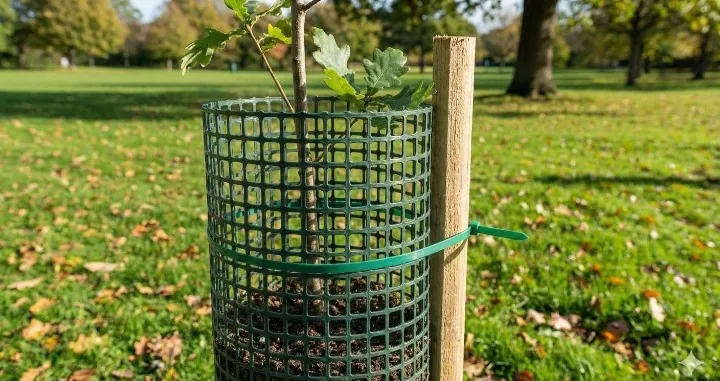
Roses, carnations, and orchids require precise protection from rain, wind, and intense sun. Greenhouse films provide the perfect shelter for premium flower exports.Nursery & Forestry
Young saplings are highly vulnerable. Polyhouse films create a safe, humid environment for nurseries to harden off young plants before planting.Siddhii Global: High-Tech Greenhouse Film Manufacturer
As a premier manufacturer based in Kalol, Gujarat, Siddhii Global produces advanced Greenhouse Films built for the world's most demanding climates. We offer:Multi-Layer Co-Extrusion: 3 and 5-layer films for maximum strength and performance.
Additive Options: Customizable UV stabilization, Anti-Drip, Thermicity, and Light Diffusion.
Heavy Gauge Thickness: Available in 100 to 200+ micron ranges for long-term durability.
Global Export Standards: Trusted by agribusinesses across the USA, Europe, and the Middle East.
Take control of your growing environment and maximize your crop yield with advanced greenhouse technology.
Need premium greenhouse films for your project?
Explore our Greenhouse Film Range or contact us for a custom export quote!