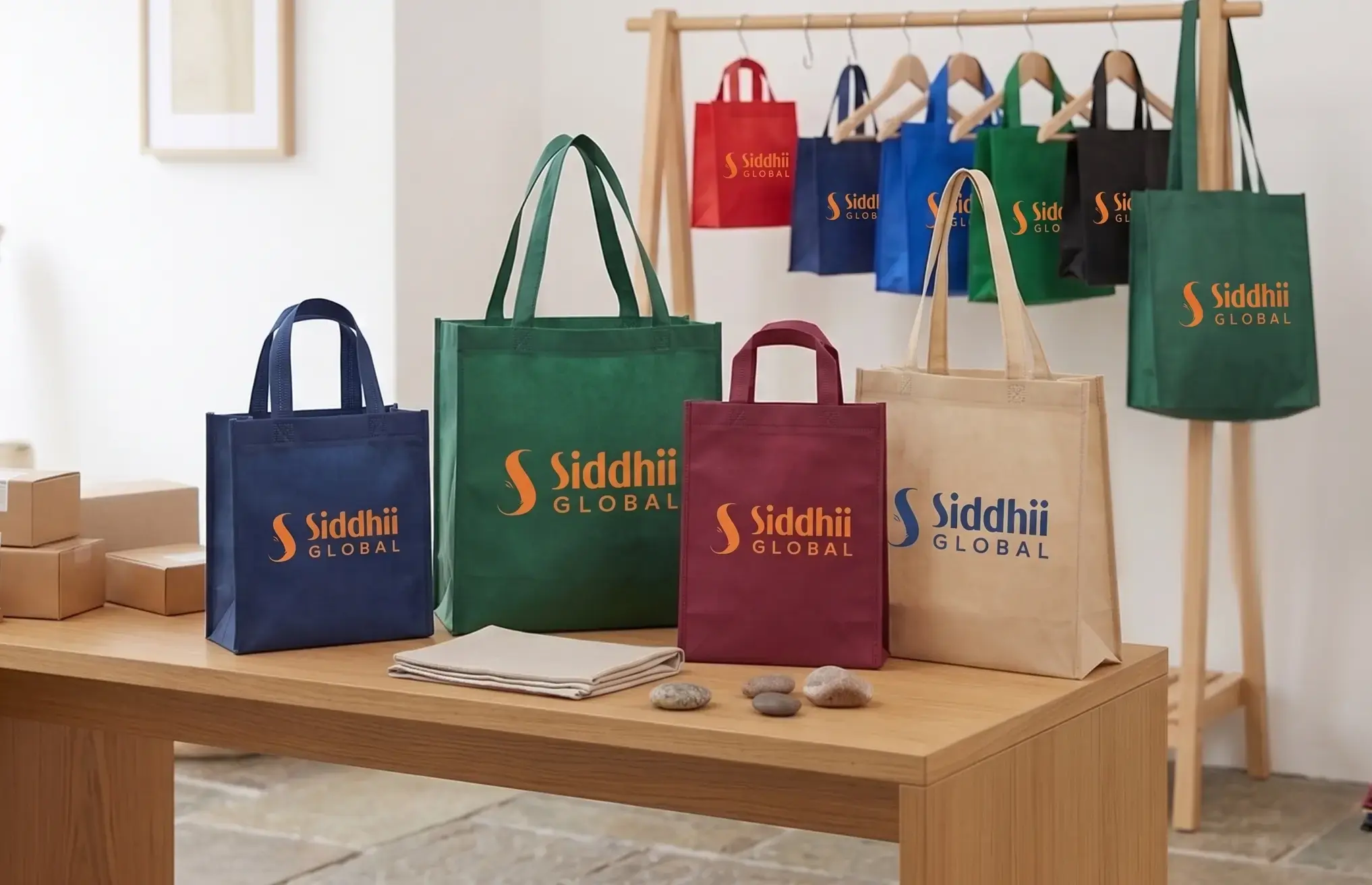
From the cement that builds our cities to the flour that feeds the world, bulk commodities require packaging that can withstand extreme weight, rough handling, and long storage times. PP Woven Bags and Rolls (Polypropylene Woven Bags) are the unsung heroes of the global supply chain.
But what makes these simple-looking bags the most dominant packaging format across continents?
The Unmatched Strength of Polypropylene Weaving
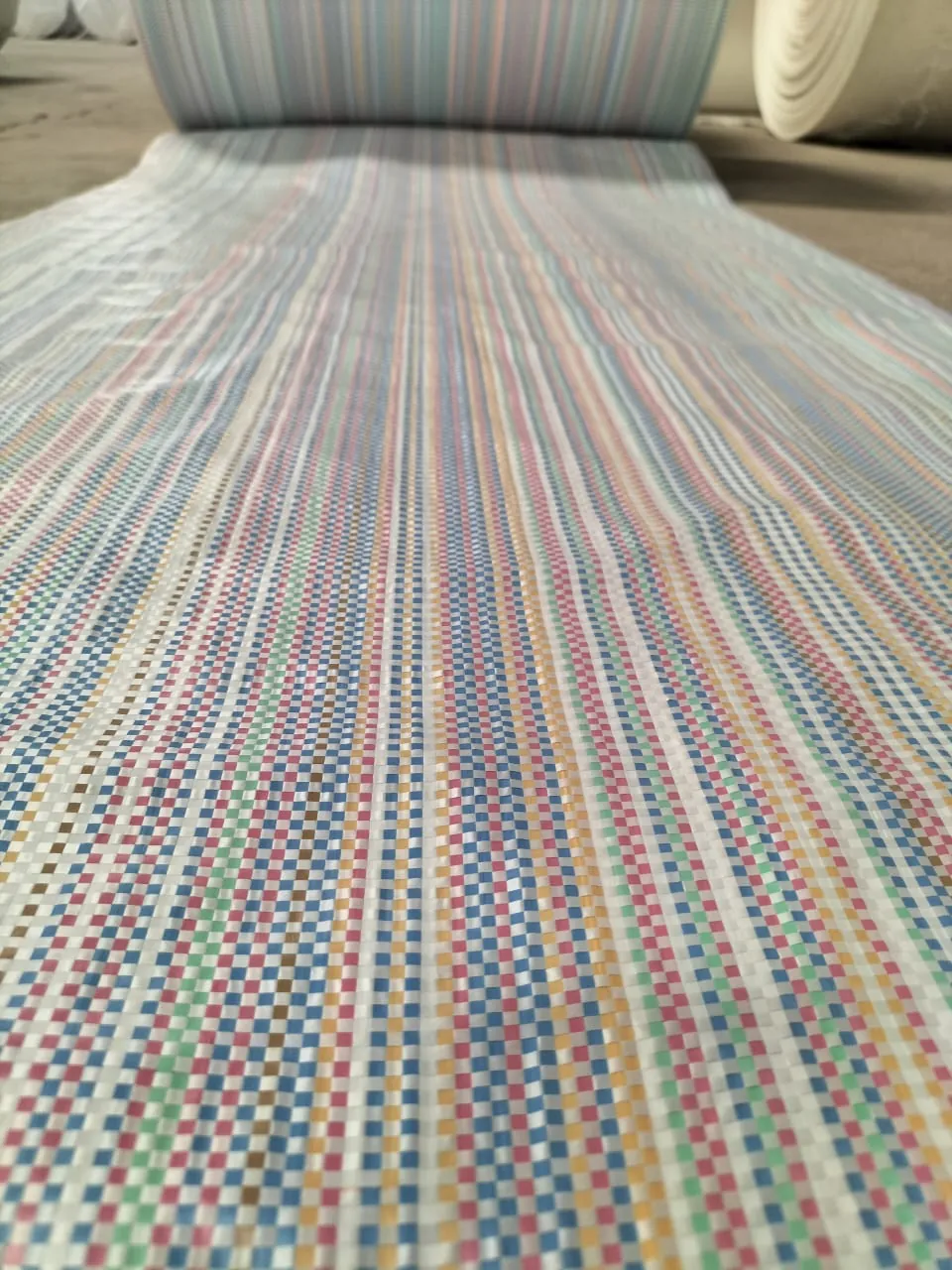
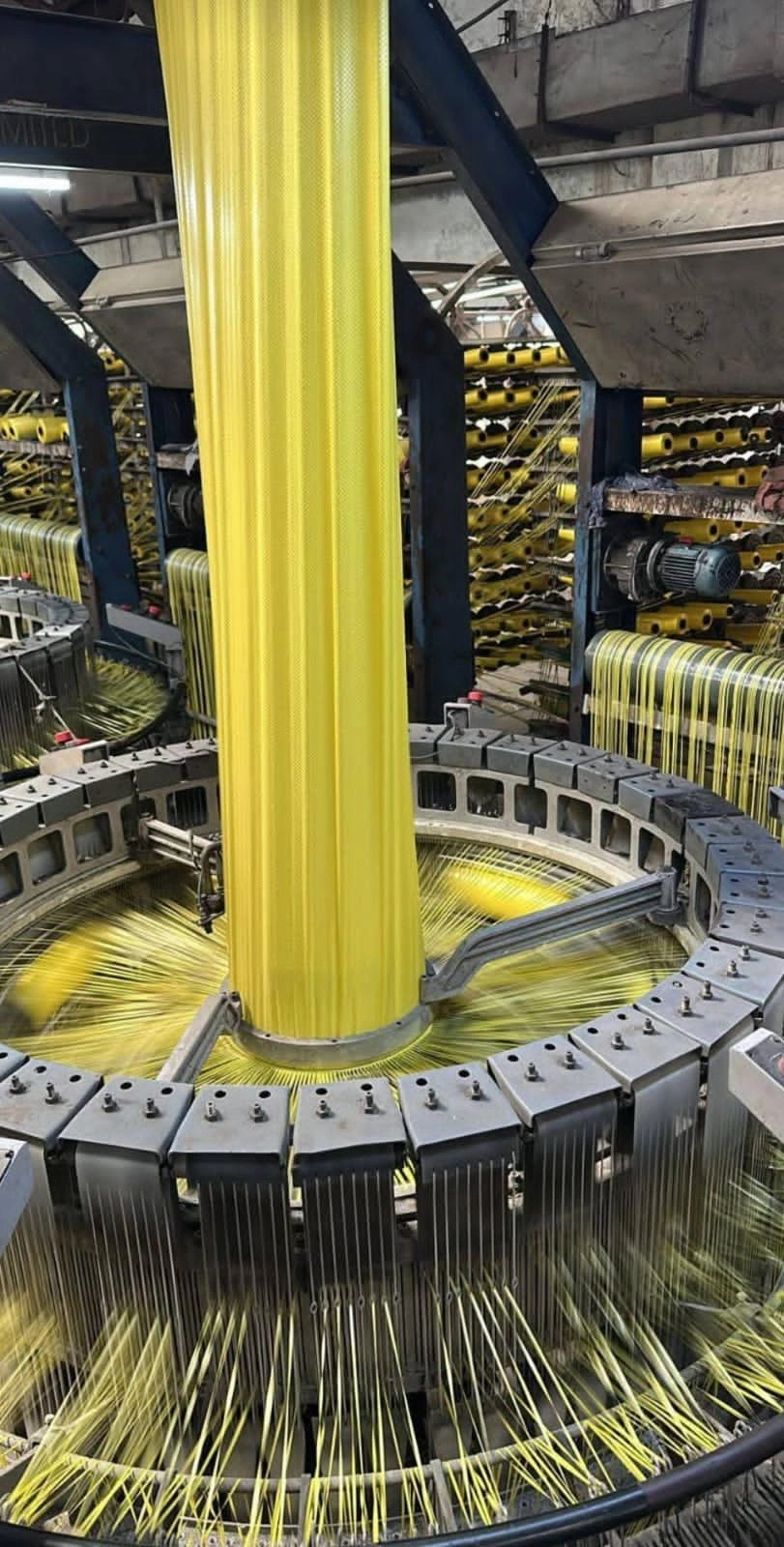
PP woven bags are made by weaving flat or circular polypropylene tapes on high-speed looms. This interlocking weave creates a fabric with incredible physical properties:
High Tensile Strength: The woven structure distributes weight evenly, allowing the bags to carry heavy loads (10kg to 100kg+) without bursting or tearing at the seams.
Moisture Protection: When laminated (coated) with a thin layer of PP film, these bags become highly resistant to water and humidity, protecting hygroscopic contents like cement, fertilizer, and flour.
Breathability (Unlaminated): For products like onions, garlic, or animal feed that need to "breathe," unlaminated woven bags allow air circulation while keeping contaminants out.
Cost-Effectiveness: Compared to paper, jute, or rigid plastic containers, PP woven bags offer the lowest cost-per-kilogram of protection, reducing overall packaging expenses.
Global Terminology: How International Buyers Source Woven Sacks
When sourcing bulk packaging internationally, understanding regional terminology is vital for B2B procurement:In Germany & Austria: Construction and chemical buyers search for "PP Gewebesäcke", "Gewebesäcke", or "Zement Säcke" for heavy-duty industrial use.
In France: Flour and sugar packers source "Sacs en polypropylène tissé", "Sacs tissés", or "Sacs de ciment".
In Spain & Mexico: Agricultural exporters look for "Bolsas tejidas de polipropileno", "Sacos tejidos", or "Sacos de cemento".
In Brazil: The massive agribusiness sector searches for "Sacos de ráfia" (the common term for PP woven bags), "Sacos de cimento", or "Sacos de farinha".
In Turkey: Manufacturers demand "Dokuma çuval" or "Çimento çuvalı" for their booming construction sector.
In the Middle East (UAE): Cement and sand suppliers require "أكياس منسوجة" (Woven bags), "شكاير بلاستيك", or "أكياس الأسمنت" for infrastructure projects.
Key Applications of PP Woven Bags
Cement & Construction Materials
The biggest consumer of PP woven bags globally. Laminated bags prevent moisture from premature setting of cement, sand, and dry mix adhesives.Agriculture & Food Grains
Used for packing rice, wheat, flour, and sugar. The bags can be printed with brand logos and withstand the pressure of being stacked high in silos.Fertilizers & Chemicals
Corrosive chemicals require robust, leak-proof packaging. Laminated PP woven bags with inner PE liners ensure safe storage and transport.Siddhii Global: Leading PP Woven Bag Manufacturer
As a premier manufacturer based in Kalol, Gujarat, Siddhii Global produces high-tensile PP Woven Bags and Rolls tailored for global markets. We offer:Laminated & Unlaminated Options: Customized to your moisture and breathability requirements.
Form-Fill-Seal (FFS) Rolls: Providing high-quality printed rolls for automated packaging lines in cement and flour plants.
Gusseted & Block Bottom Bags: For superior pallet stacking stability.
Global Export Standards: Consistent quality, strict weight tolerances, and ISO-certified manufacturing.
Pack your commodities with the strength they deserve.
Need durable PP woven bags in bulk?
Explore our PP Woven Bags Range or contact us for a custom export quote!